When you step into a thoughtfully designed kitchen, home bar, or media room, what draws you in first?
It might be the clean proportions or the way the cabinetry integrates seamlessly into the architecture. But the moment you reach out to open a drawer or run your hand across a countertop edge, the conversation changes. What you are actually experiencing is the finish.
In custom cabinetry, the finish is far more than an aesthetic skin. It is the protective barrier between natural timber and daily life, the tactile signature of the maker, and the single greatest factor determining whether a built-in piece looks pristine for decades or begins showing wear within months.
Here is a look behind the workshop doors at the materials, techniques, and preparation standards that separate commercial cabinetry from true high-end architectural millwork.
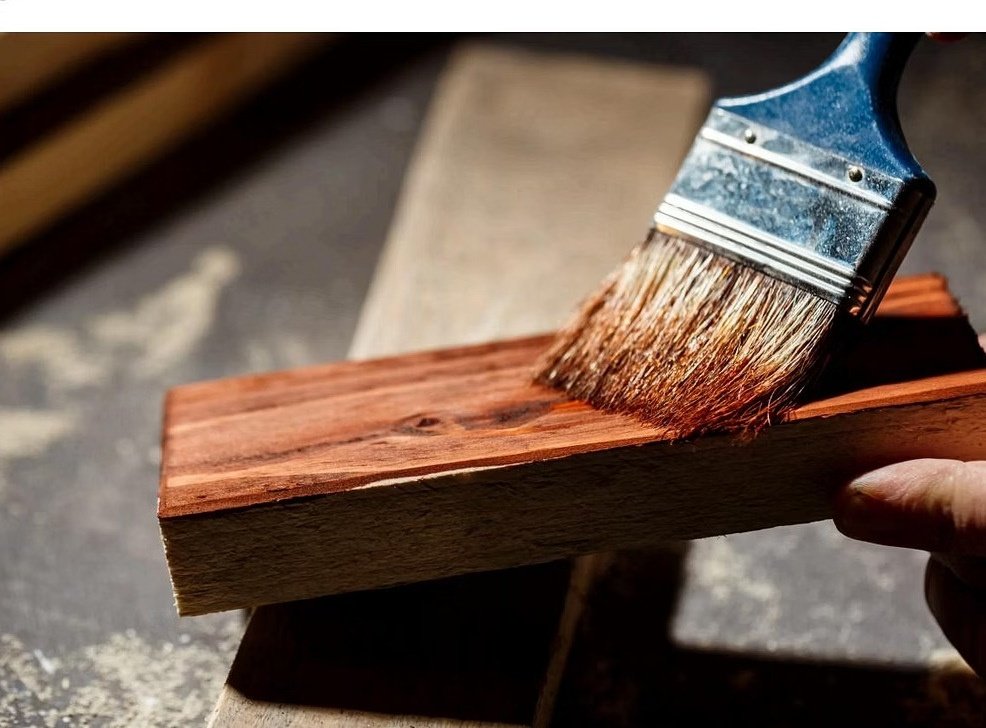
1. Modern Finishing Trends: Warmth, Texture & Grounded Tones
Cabinetry design has evolved past sterile, high-gloss whites and monochromatic grey boxes. Today’s most compelling residential interiors celebrate warmth, organic texture, and tactile depth.
Earthy Palettes & Muted Tones
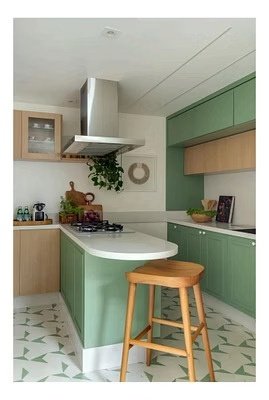
Homeowners and interior designers are increasingly gravitating toward soothing, nature-inspired palettes. Muted sage greens, warm moss, soft terracotta, and deep charcoal tones create calm, grounded environments. When executed in smooth satin or velvety matte sheens, these colors absorb light gently, adding warmth and richness to open-concept living spaces.
Natural Wood Figuring & Veneer Continuity
Rather than heavy opaque stains that mask the wood’s natural character, contemporary millwork highlights the authentic beauty of natural timber. Quarter-sawn white oak, European ash, walnut, and warm teak are celebrated for their cathedral grain patterns, subtle ray flecks, and natural color variations. The goal is transparency: protecting the fiber while allowing the wood’s organic narrative to shine.
Tactile Depth & Material Harmony
- Fluted & Slat Paneling: Vertical reeding and slatted wood elements that catch natural sunlight and introduce subtle shadow play.
- Organic Stone Pairings: Warm travertine, honed quartzites, and deep granite countertops that frame wooden and painted cabinetry.
- Woven & Metallic Accents: Cane webbing, smoked glass display cabinets, and integrated bronze hardware channels that elevate functional storage into curated display.
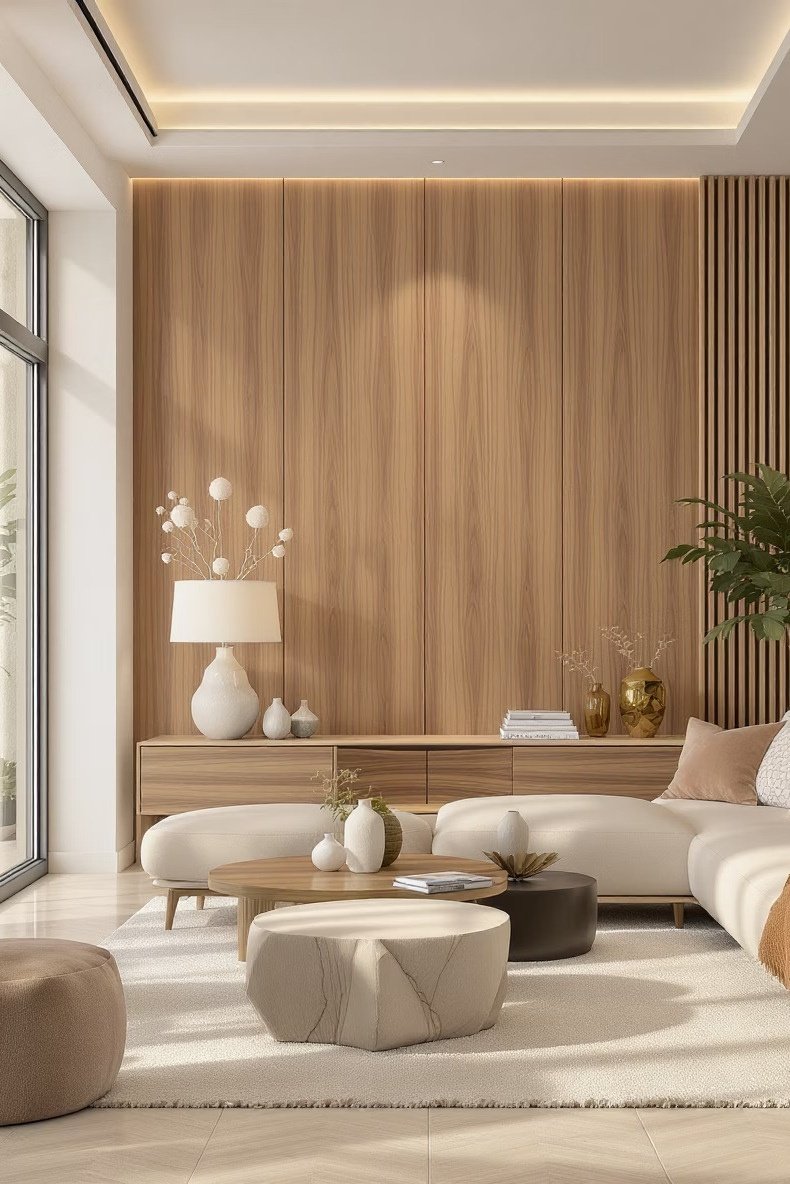
2. Choosing the Right Finish: Paint, Stain, Lacquer & Varnish
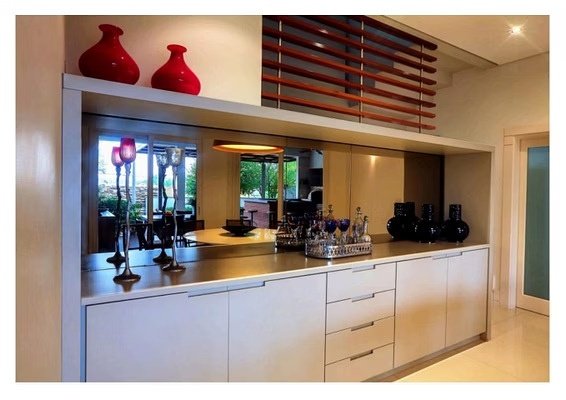
Every room presents distinct environmental demands. A custom dry bar requires chemical resistance against alcohol and citrus spills, a master bathroom vanity demands moisture resilience against steam, and an entertainment wall prioritizes low-glare surface continuity under ambient lighting.
Understanding the primary finishing families helps you select the right solution for each space:
A. Professional Spray Lacquer (Laca)
Lacquer is the gold standard for solid-color cabinetry in high-end design. Unlike off-the-shelf residential paint applied with rollers or hand brushes, industrial catalyzed lacquer is atomized through specialized spray systems in a controlled shop environment.
- The Result: An impeccably smooth, factory-level surface completely free of brush drag, roller stipple, or drips.
- Durability: Catalyzed formulas chemically cure into a hard, elastic film that resists chipping, yellowing, and household cleaners.
- Tactile Quality: Available from deep velvety dead-flat (5% sheen) to subtle architectural satin (20% sheen).
B. Natural Wood Stains & Penetrating Dyes
When working with hardwood species, stains and dye stains are formulated to penetrate deep into the pores rather than sitting on top of the surface. Careful wipe-and-seal application prevents the blotching common in softer woods, ensuring crisp grain definition. Modern UV-inhibited stains also ensure that intense South Florida sunlight entering your home does not fade or alter color temperature over time.
C. Clear Conversion Varnishes & Protective Topcoats
To shield natural wood against moisture, food acids, and abrasion, a clear protective coat is applied over the stained or natural wood. Non-yellowing high-grade acrylic and catalyzed varnishes remain crystal clear, preserving the cool tone of white oak without turning amber or orange. The cured coat expands and contracts microscopically with the wood during seasonal climate changes, preventing surface micro-cracking.
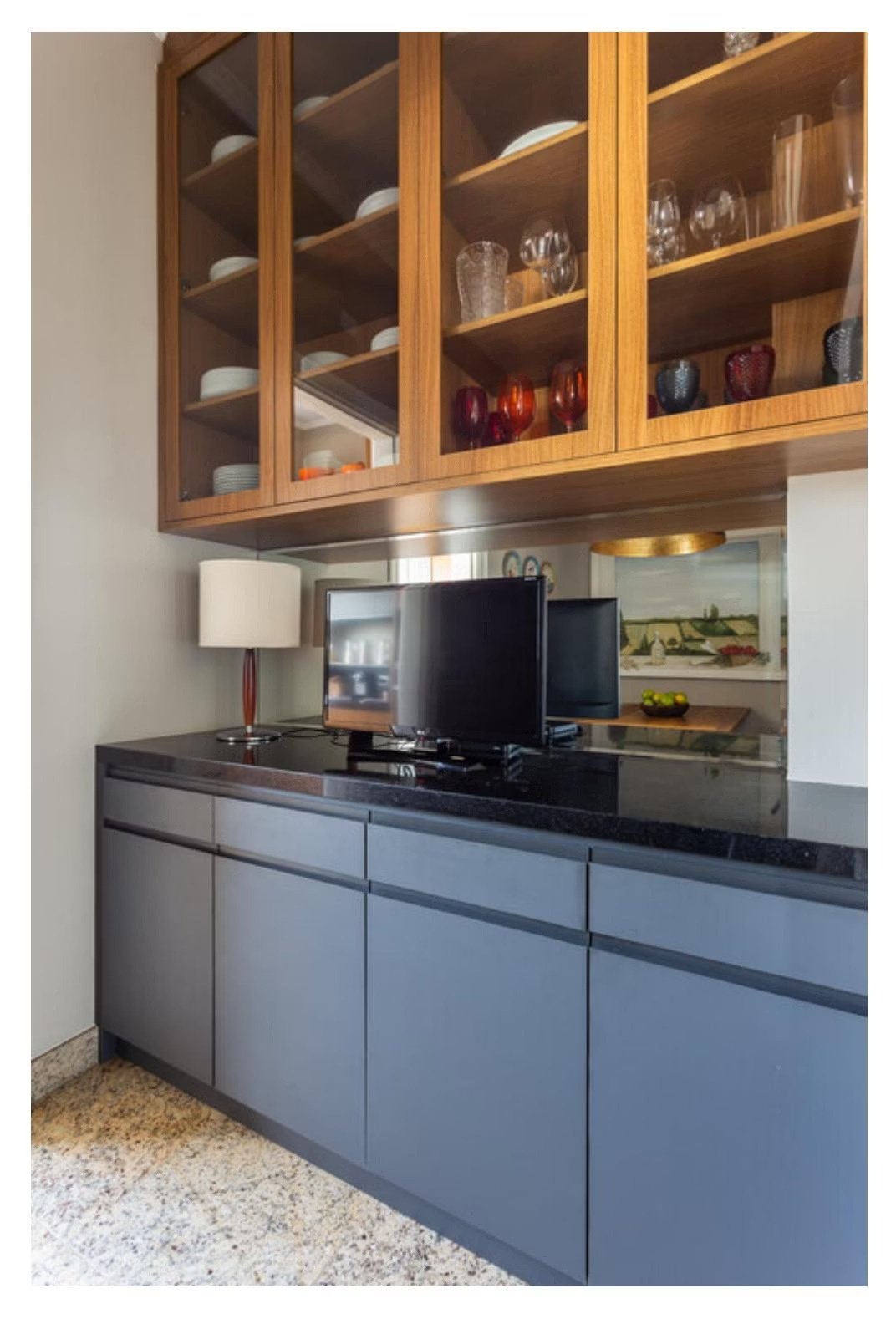
3. The Real Secret: What Happens Before the Finish Is Applied
The most common misconception about wood finishing is that the final coat does the heavy lifting. In reality, 85% of finish quality is determined before a single drop of topcoat touches the surface.
If the surface prep is flawed, the most expensive lacquer will still look second-rate.
Step 1: Progressive Multi-Stage Sanding
You cannot jump from rough mill sanding straight to 220 grit. Skipping grits traps microscopic scratches underneath subsequent layers. Our preparation standard follows strict progressive stages: initial leveling (80–120 grit) to remove machining marks, intermediate smoothing (150–180 grit) to tighten wood pores, and finish prep (220 grit) to create a uniform mechanical tooth.

Step 2: Dust Extraction & Surface Neutralization
Airborne dust is the enemy of fine finishing. Every piece must be thoroughly vacuumed with dedicated HEPA extraction, blown clear with dry compressed air, and wiped with lint-free tack cloths to ensure zero loose wood fibers remain trapped under the primer.
Step 3: Sealers & High-Solid Primers
Raw wood and MDF absorb liquids at radically different rates depending on grain orientation and core density. High-solid isolating primers and grain sealers act as an indispensable barrier coat: they saturate open pores evenly so the topcoat doesn’t sink in irregularly, and lock down wood fibers to prevent grain-raising.
Step 4: Intermediate Scuff Sanding Between Every Coat
Between the primer coat and subsequent finish layers, the surface must be gently scuffed by hand with ultra-fine abrasive pads (320 to 400 grit). This shears off any micro-nibs or airborne dust particles that settled during drying and creates microscopic mechanical tooth for the next chemical layer to bond with permanently.
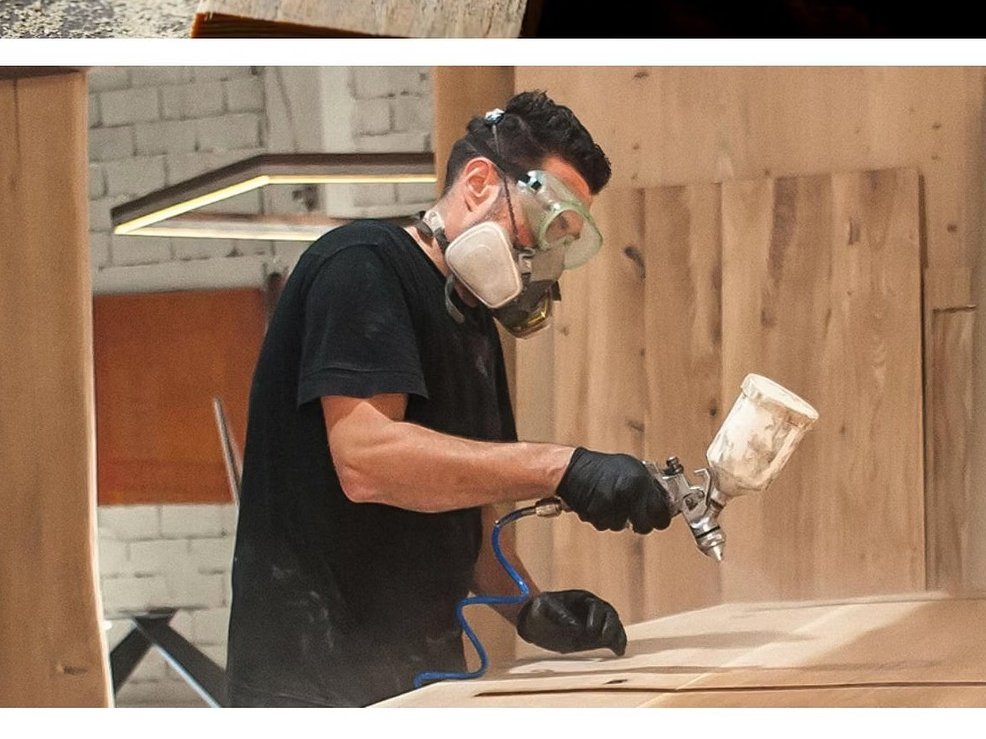
4. The Tooling Behind Precision
Achieving seamless joints, crisp reveal margins, and clean finish transitions requires a harmonious balance between traditional hand tools and modern workshop equipment:
- Precision Layout & Scribe Tools: Heavy stainless-steel rules, combination squares, and digital bevel gauges ensure all reveals and miter joints align with exact symmetry.
- Japanese Pull Saws & Chisels: Razor-sharp Japanese saws cut on the pull stroke with extremely thin kerfs, enabling flush-trim cuts and delicate joints without tearing delicate veneer edges.
- Controlled HVLP Spray Equipment: High-Volume, Low-Pressure (HVLP) spray guns atomize lacquer into a fine, controlled mist, ensuring consistent mil-thickness without orange-peel texture.
- Progressive Random Orbital Sanders: Dual-action eccentric sanding motions ensure swirl-free surfaces across broad panels and solid wood face frames.

5. The South Florida Climate Factor: Why Controlled Preparation Matters
Cabinetry in South Florida operates under unique environmental stresses. Between coastal sea air, seasonal humidity spikes, and continuous air-conditioning cycling, indoor relative humidity can swing dramatically throughout the year.
When cabinetry is painted or finished on-site inside a home during a messy remodel, airborne dust and debris inevitably settle onto wet paint surfaces, creating rough textures. Furthermore, inconsistent humidity during renovation can cause blushing or premature surface drying, all while chemical odors and overspray disrupt your living space.
The M11 Difference: Prepared Off-Site
At M11 Design Group, our approach is rooted in deliberate preparation:
“Fewer projects. More attention. Better prepared installations.”
By handling technical detailing, dry-fitting, pre-assembly checks, and finishing off-site in a controlled shop environment:
- Finish Integrity: Finishes are cured in clean, temperature-moderated conditions for maximum hardness, adhesion, and clarity.
- Shop Quality Control: Face frames, doors, reveals, and hardware action are tested and adjusted before parts ever leave the shop.
- Respect for Your Home: Installation inside your home is clean, quiet, and fast—minimizing disruption to your daily routine.
6. How to Identify a True High-End Finish in Your Home
When evaluating cabinetry samples or inspecting completed millwork, use this tactile checklist to distinguish superior finishing:
| What to Check | Commercial / Standard Work | High-End Architectural Standard |
|---|---|---|
| Tactile Feel | Slightly gritty, noticeable orange-peel stipple, rough lower edges | Silky, continuous, and soft to the touch; zero texture dragging |
| Corner & Edge Easing | Sharp, brittle edges where paint chips easily | Subtly eased arrises that hold finish thickness and resist chipping |
| Inside Corners & Profiles | Thick puddles or paint buildup in shaker corners | Crisp, uniform paint lines without dripping or pooling |
| Grain Uniformity | Splotchy dark and light patches in the wood grain | Deep, even color penetration with natural figuring fully visible |
| Hardware & Cutouts | Paint sprayed over hinge cutouts or sloppy cut edges | Clean, pre-drilled hardware mortises sealed against moisture |
Ready to Elevate Your South Florida Space?
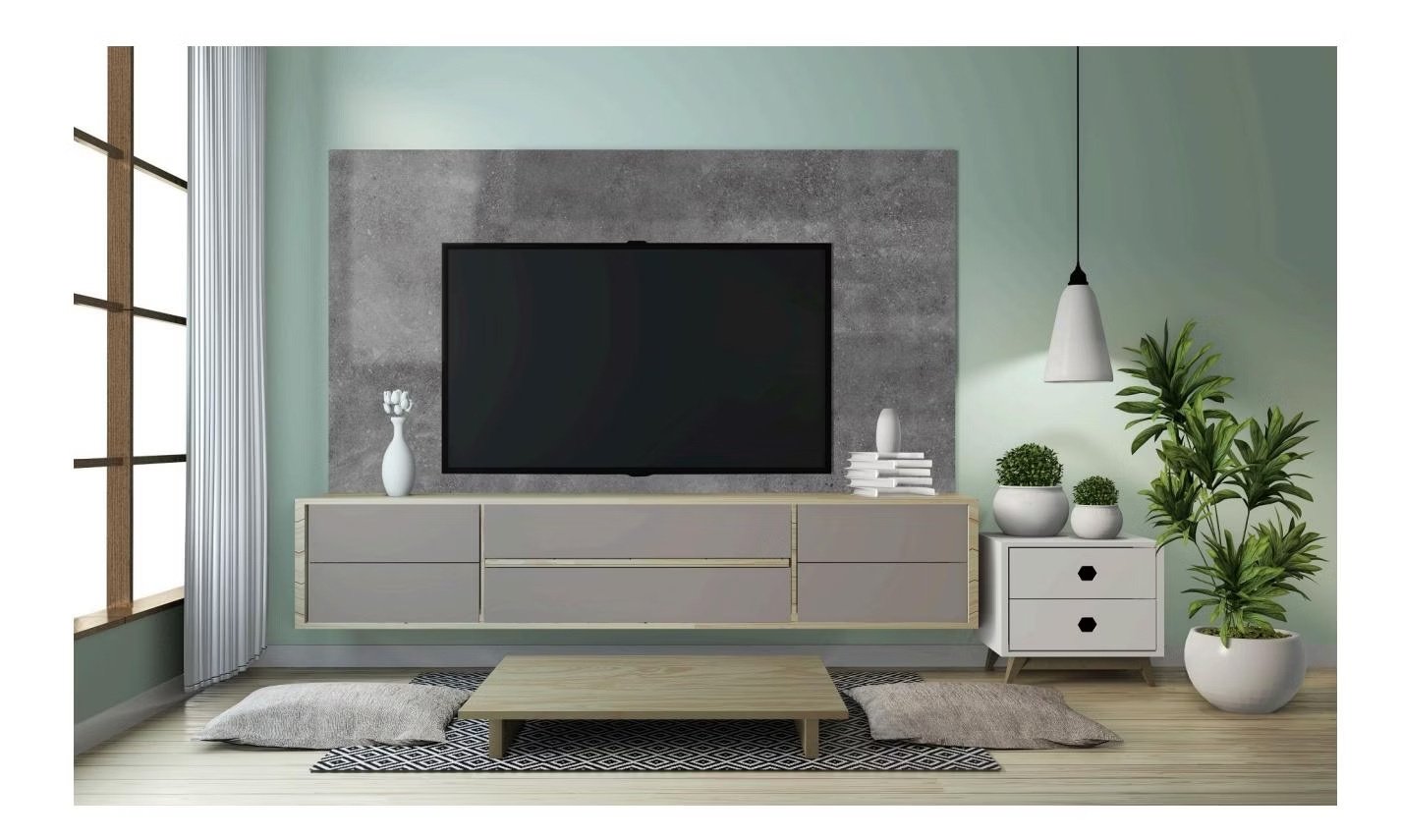
Whether you are designing a full chef’s kitchen in Coral Gables, a custom entertainment center in Fort Lauderdale, or architectural slat paneling in Boca Raton, the quality of your cabinetry should reflect the care put into your home.
At M11 Design Group, we take on a limited number of projects at a time so we can dedicate complete personal attention to your space from initial field measurements to final installation.
Explore our work on our projects gallery, learn more about our five-step approach, or contact us directly to discuss your upcoming project:
- Website: m11designgroup.com
- Phone / WhatsApp: (754) 308-9135
- Email: contact@m11designgroup.com
- Service Area: Miami-Dade • Broward • Palm Beach Counties